
The Ultimate Competitive Exam Guide 2026–2028
NEET, JEE, CLAT, IPMAT, UPSC & UPPCS Preparation Strategy for Students
Preparing for competitive exams in India requires more than just hard work — it demands early planning, strong conceptual understanding, structured guidance, and consistent practice.
Whether you are a Class 11 student starting your journey or a UG student preparing for civil services, this guide will help you understand how to approach each exam strategically and how the right mentorship can make a difference.
NEET & IIT-JEE Preparation Strategy
Complete Guide to NEET 2027 Preparation for Class 11 Students
Starting NEET preparation in Class 11 gives students a strong advantage. The key focus should be on:
Building strong NCERT-based concepts in Biology, Physics, and Chemistry
Maintaining regular revision and practice
Developing time management and exam temperament
A structured approach ensures students can balance school studies and NEET preparation effectively.
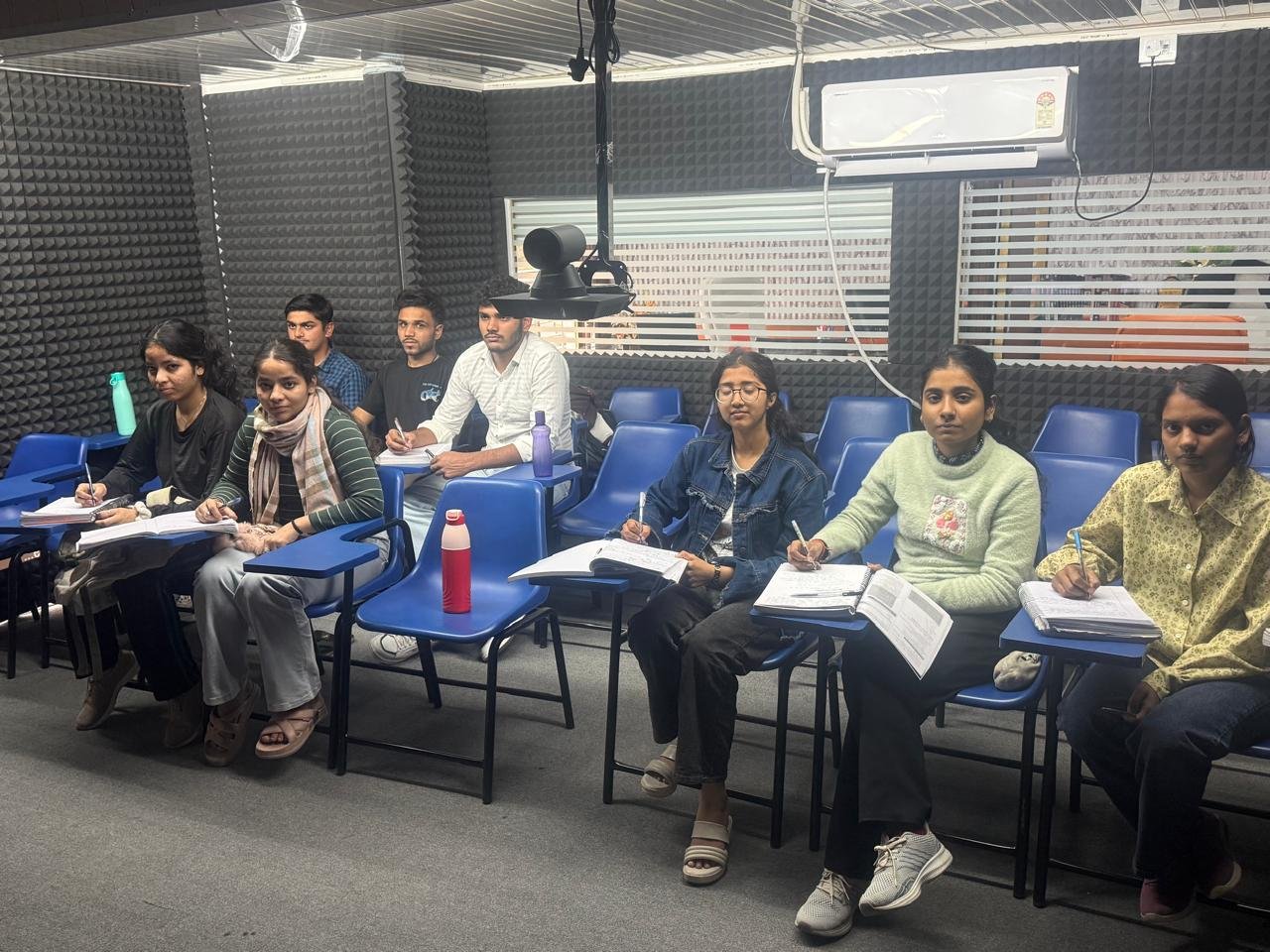
At Capital Institute, students are guided through:
- Concept-focused teaching
- Regular test series
- Continuous performance tracking
- Dedicated doubt-solving sessions
This ensures consistent academic progress throughout the preparation journey.
How to Start IIT-JEE Preparation from Class 11 (Step-by-Step Plan)
IIT-JEE preparation requires a disciplined and strategic approach:
Step 1: Understand concepts deeply (Physics, Chemistry, Mathematics)
Step 2: Practice regularly with structured problem sets
Step 3: Analyze mistakes through tests
Step 4: Revise consistently
Students must focus on conceptual clarity rather than rote learning, especially for JEE Advanced.
Capital Institute supports students with:
- Structured syllabus coverage
- Experienced faculty mentorship
- Regular tests aligned with exam patterns
- Performance monitoring and feedback
NEET vs JEE – Which Career Path Should You Choose?
Choosing between NEET and JEE depends on:
| NEET | JEE |
|---|---|
| Focus: Medical | Focus: Engineering |
| Subjects: PCB | Subjects: PCM |
| Career: Doctor | Career: Engineer |
Students should choose based on:
- Interest in subject (Biology vs Mathematics)
- Long-term career goals
-
Strength in concepts
Best Strategy to Crack NEET in First Attempt
To crack NEET in the first attempt:
- Focus on NCERT thoroughly (especially Biology)
- Practice previous year questions
- Attempt regular mock tests
- Revise consistently
Capital Institute’s structured academic system ensures:
- Strong conceptual learning
- Continuous assessment
- Academic discipline
JEE Main vs JEE Advanced – Key Differences Explained
| JEE Main | JEE Advanced |
|---|---|
| Easier level | Higher difficulty |
| More direct questions | Conceptual & application-based |
| Qualifying exam | Entrance for IITs |
Students must gradually build their preparation from JEE Main level to Advanced level concepts.
CLAT & IPMAT Preparation Strategy
Complete Guide to CLAT 2027 Preparation for Beginners
CLAT preparation requires focus on:
- Reading comprehension
- Logical reasoning
- Legal aptitude
- General awareness
Students should build a daily reading habit and practice analytical questions regularly.
Capital Institute offers:
- Structured classroom learning
- Regular tests
- Concept-based preparation
- How to Prepare for CLAT from Class 11
Starting early helps students:
- Build strong reasoning ability
- Improve reading speed
- Strengthen general knowledge
Consistent preparation over 2 years leads to better results.
IPMAT Preparation Strategy for Class 11 Students
IPMAT preparation focuses on:
- Logical reasoning
- Data interpretation
- English comprehension
Students should:
- Practice regularly
- Improve analytical thinking
- Build strong fundamentals
CLAT vs IPMAT – Which Career Option is Better?
| CLAT | IPMAT |
|---|---|
| Law Career | Management Career |
| Legal aptitude focus | Business & analytical focus |
| Law universities | IIMs |
Students should choose based on:
- Interest in law vs business
- Career goals
How to Improve Logical Reasoning for CLAT & IPMAT
- Practice daily reasoning questions
- Solve puzzles and case-based questions
- Analyze mistakes
- Improve speed and accuracy
UPSC & UPPCS Preparation Strategy
Beginner’s Guide to UPSC Preparation (For UG Students)
UPSC preparation requires:
- Strong conceptual understanding
- Regular reading (especially current affairs)
- Consistent practice
Starting during graduation provides:
- Enough time for syllabus coverage
- Better conceptual clarity
Capital Institute provides:
- Structured syllabus coverage
- Updated study material
- Regular test series
How to Start UPSC Preparation from College
Students should:
- Begin with basic concepts
- Follow a structured study plan
- Maintain consistency
Early preparation builds a strong foundation.
UPSC vs UPPCS – What is the Difference?
| UPSC | UPPCS |
|---|---|
| National level exam | State-level exam |
| IAS, IPS | SDM, DSP |
| Wider competition | State-focused competition |
1-Year Strategy to Prepare for UPPCS Exam
- Cover syllabus systematically
- Practice regularly
- Focus on revision
- Attempt mock tests
A disciplined approach is key for success.
Common Mistakes UPSC Aspirants Make
- Lack of consistency
- Ignoring revision
- Not practicing enough tests
- Studying without strategy
Avoiding these mistakes improves success chances significantly.
How Capital Institute Helps Students Succeed
At Capital Institute, preparation is built on:
- Strong conceptual foundations
- Structured academic mentoring
- Regular tests and performance tracking
- Experienced faculty (IITians, Doctors, Civil Services experts)
- Disciplined learning environment
Courses are available for:
- NEET
- IIT-JEE
- CLAT / AILET
- IPMAT
- UPSC
- UPPCS
- Pre-Foundation (Class 8–10)
Students receive continuous guidance and structured preparation, helping them stay focused and improve consistently.
Final Thoughts
Success in competitive exams is not about shortcuts — it is about:
✔ Conceptual clarity
✔ Consistent effort
✔ Strategic preparation
✔ Right guidance
Starting early, following a structured plan, and learning under experienced mentors can significantly improve outcomes.